

Stepping over the side
A high bath edge demands a difficult movement before washing even starts. Think about the entry, exit and space to turn, rather than just the surface inside the bath.
Bath struggles • Accessible bathing
Accessible bathing made simple
Enjoy showering with greater comfort and confidence. We design your wet room around you—with step-free access, slip-resistant flooring, comfortable seating and supports where you need them.
Prefer to speak to someone? Mon–Fri 9am–5pm · Sat 9am–1pm.
Chesterfield, Mansfield and surrounding areas across Derbyshire, Nottinghamshire and South Yorkshire.

A completed EverSafe wet room in Chesterfield.
Your first step to easier showering
Tell us what you’re finding difficult, whether you’re enquiring for yourself or someone you care about. We’ll call to discuss what would help and arrange a suitable visit.
Verified Google review
Christine valued an appointment arranged around her, clear explanations and help choosing her new bathroom.
We’ll discuss what would help, explain your options and give you time to decide—without pressure.
Free home visit & 3D design · Clear quotation · No obligation
No payment required. We’ll call within 24 hours to arrange a suitable time.
A completed EverSafe wet room in Chesterfield.
Bath struggles • Practical advice for families
Perhaps lifting your leg over the bath has become difficult. Perhaps you can sit down, but getting back up feels daunting. Or you are worried about a parent or grandparent slipping in the bath when nobody is there to help. These are good reasons to rethink how the bathroom works.
Ageing, disability, painful joints, reduced strength or changes in balance can make an ordinary bath awkward to use. Accessible bathing starts with the person: how they move, what they can comfortably reach, whether they wash seated, and whether someone helps them.
A high bath edge demands a difficult movement before washing even starts. Think about the entry, exit and space to turn, rather than just the surface inside the bath.
Lowering into a deep bath and rising again may become uncomfortable or difficult. A supported seated shower can remove the need to get down to bath level.
Wet surfaces, soap and awkward reaching can make bathing feel less secure. Flooring, drainage, lighting, suitable supports and a clear route all deserve attention.
Choose around the person
A bath board, bath seat, grab rail or powered bath lift can be a useful solution when correctly assessed, fitted and used. A lift can help someone lower into and rise from the bath, but it does not automatically solve every part of getting in and out.
The person still needs a suitable way to transfer onto the seat and move their legs across the bath edge. If balance, seated stability or grip is difficult, that transfer may remain challenging. Wet or soapy surfaces can still be slippery; a lift is not a guarantee against sliding or falling. Follow the equipment instructions and ask an occupational therapist to assess suitability rather than trying an improvised transfer.
There is no single best bathroom for every elderly or disabled person. The NHS recommends a home assessment when everyday tasks are difficult or there are worries about falling. An occupational therapist can help identify suitable equipment and adaptations. Our design visit assesses the room and installation options; it does not replace a clinical or moving-and-handling assessment.
Read the NHS guide to home adaptations or see our information for occupational therapists.
Accessible bathing made simple
A properly planned level-access wet room removes the high bath side from the showering route. It can combine a suitable shower seat, carefully positioned rails and flooring specified for wet barefoot use. The goal is a bathroom that fits everyday routines, with room for assistance where needed.
We check the floor structure and drainage to establish whether a flush shower area is achievable. Doorways, turning space and the route to the toilet and basin matter too.
Often searched for as “anti-slip flooring”, the right surface is only one part of the design. Drainage, installation and cleaning matter. No flooring is completely slip-proof, particularly with soap or other contamination.
A seat should suit the user's support needs, height, weight and transfer method. A basic folding seat is not suitable for everyone; some people need back or arm support, or specialist seating advised by an occupational therapist.
We plan support rails with suitable fixings, reachable shower controls, screening that leaves usable access, and storage within comfortable reach. Where a carer assists, their working space is considered alongside the user's privacy and comfort.
A low-step shower may suit some homes, while a level-access wet room may better suit others. We explain the practical options after surveying the room, without promising that a conversion will prevent every fall.
Discuss My Bathing DifficultiesA recent EverSafe project
These photographs show Elsie and Terry’s bath-to-wet-room conversion in Staveley, Chesterfield. Both struggled with their raised ensuite shower, and the bath in their second bathroom was also inaccessible. We replaced the bath with a wet room, solving difficult drainage with an AKW waste pump and adding seating and support rails around their needs.
Read Elsie & Terry’s bath-to-wet-room story
See how the room was transformed, with installation photographs and a video tour of the finished bathroom.
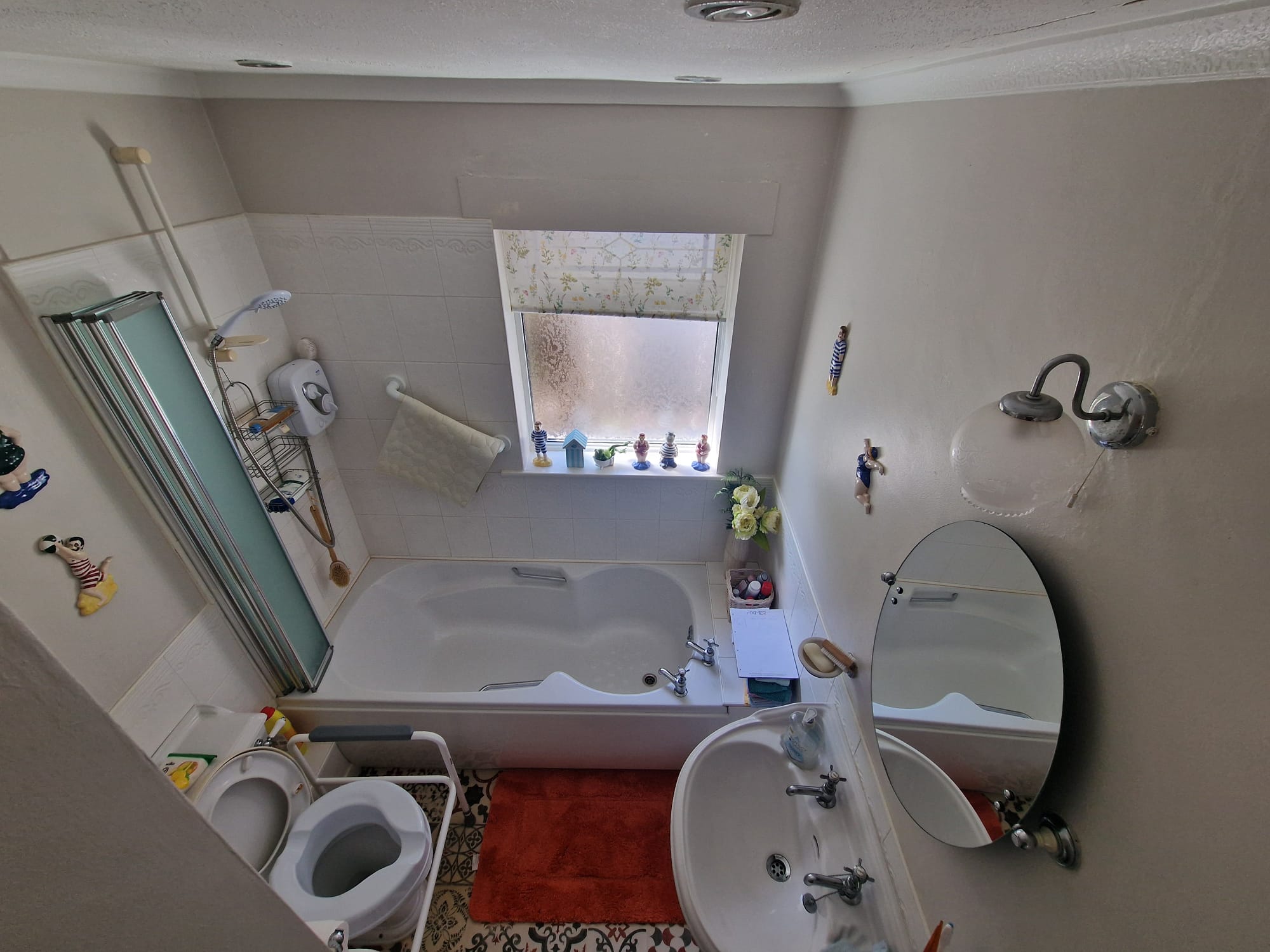


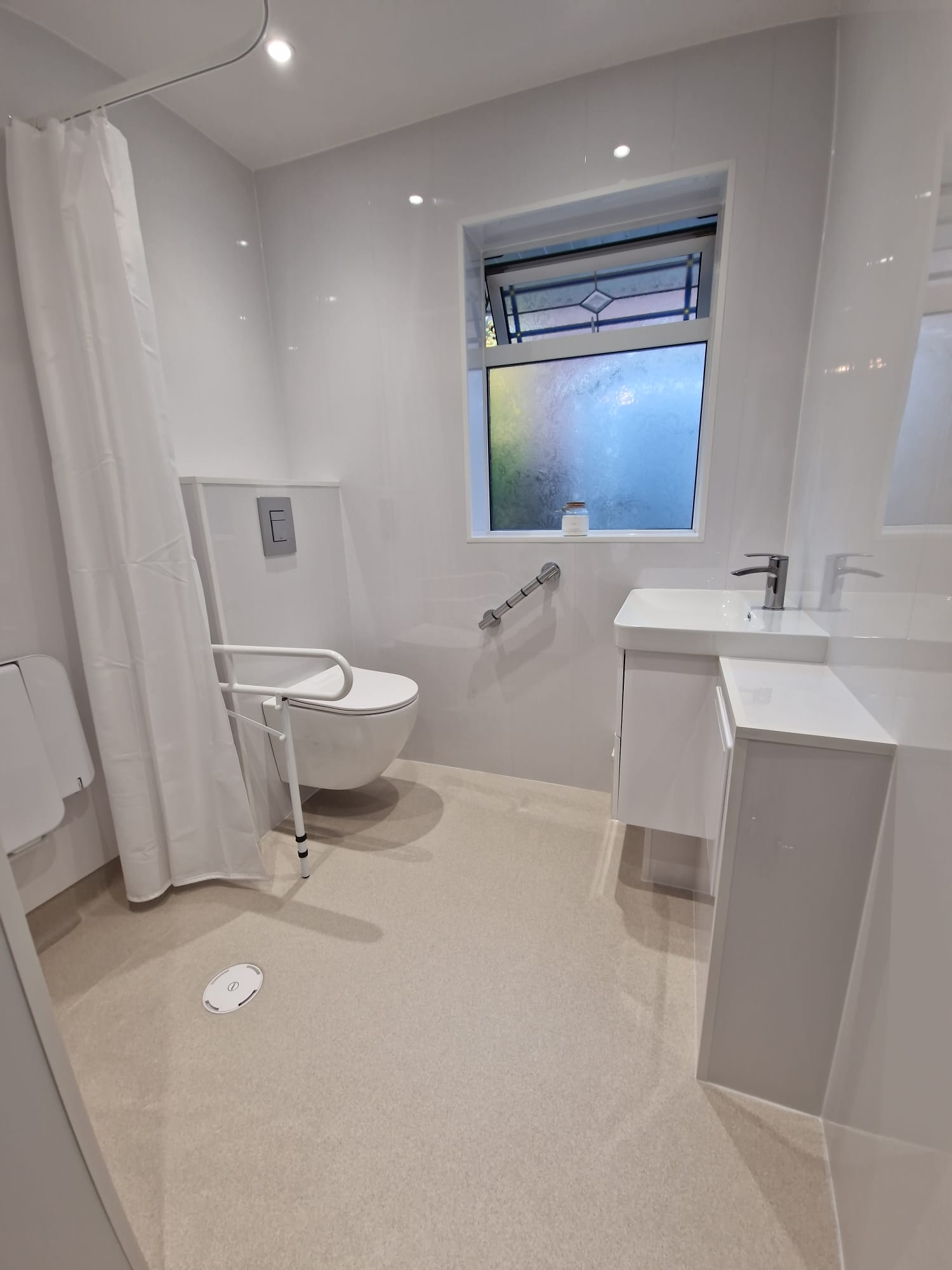
Every room and user is different. These project photographs illustrate one layout, not a universal specification or a guarantee of safety.
Start with a conversation about what they find difficult and what they want to keep doing independently. A bathroom change should support their choices, not make them feel that decisions are being made for them.
If someone is falling or their balance has changed, seek advice from their GP or relevant healthcare professional as well as considering the bathroom. Changing the room alone does not address every cause of a fall.
We serve Chesterfield, Mansfield and surrounding areas across Derbyshire, Nottinghamshire and South Yorkshire. Read more about bathrooms for older people and ageing well at home.
Questions families ask
The right option depends on their strength, balance, movement and the bathroom. Assessed bath equipment may help; if the bath itself is the obstacle, a seated shower or level-access wet room may be worth considering. Ask for an occupational therapy assessment rather than attempting an unsafe lift or transfer.
Review the whole routine: getting in, washing, reaching for controls and getting out. Suitable equipment, secure supports and correctly maintained surfaces may help. If the bath edge or low sitting position remains difficult, discuss alternatives to the bath. No product makes bathing risk-free.
Neither is automatically right for everyone. A lift may work well for a person who can transfer and sit safely with the specified support. A wet room removes the high bath side but still needs suitable seating, access and support. Compare options around the individual, ideally with an occupational therapist.
It can be, subject to room size, drainage, door access, turning and transfer space, and the person's needs. A level floor alone does not make a bathroom wheelchair accessible. We discuss equipment dimensions, seating and any space required for assistance at survey.
Often there are options, but suitability must be checked. We assess the existing bath footprint, floor construction, drainage, door swing and the remaining access to the toilet and basin before recommending a layout.
There is no universal best seat. Height, weight capacity, back and arm support, stability and transfer method all matter. Some people need specialist seating. We can plan installation around assessed needs and professional recommendations.
Yes, with their agreement. Family members and carers are welcome to attend. We listen to the person using the bathroom, discuss practical options and provide a clear quotation without an obligation to buy.
Cost depends on the room, drainage, floor preparation, waterproofing, fittings and support requirements. A survey and written quotation give you a meaningful figure for your home. See our mobility bathroom costs guide for more information.
Help may be available depending on eligibility and local assessment. See our Disabled Facilities Grant guide and VAT relief information. Check funding conditions with the relevant authority before commissioning work.
Accessible bathing made simple
Tell us about the bath struggles you or your family are facing. We’ll assess the room, discuss suitable accessible bathing options and provide a free design visit and clear quotation.
Free home visit · No obligation · Family and carers welcome